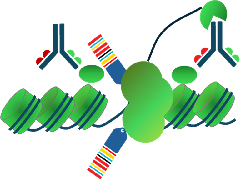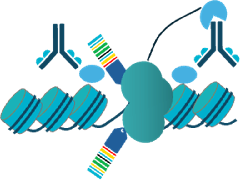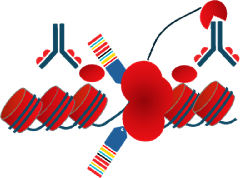
ChIP-seq
End-to-end ChIP-seq Services

- Full project: From chromatin preparation through analysis
- Library QC metrics and sequencing-ready material or FASTQ delivery
- Detailed report with QC, peak calls, and biological insights
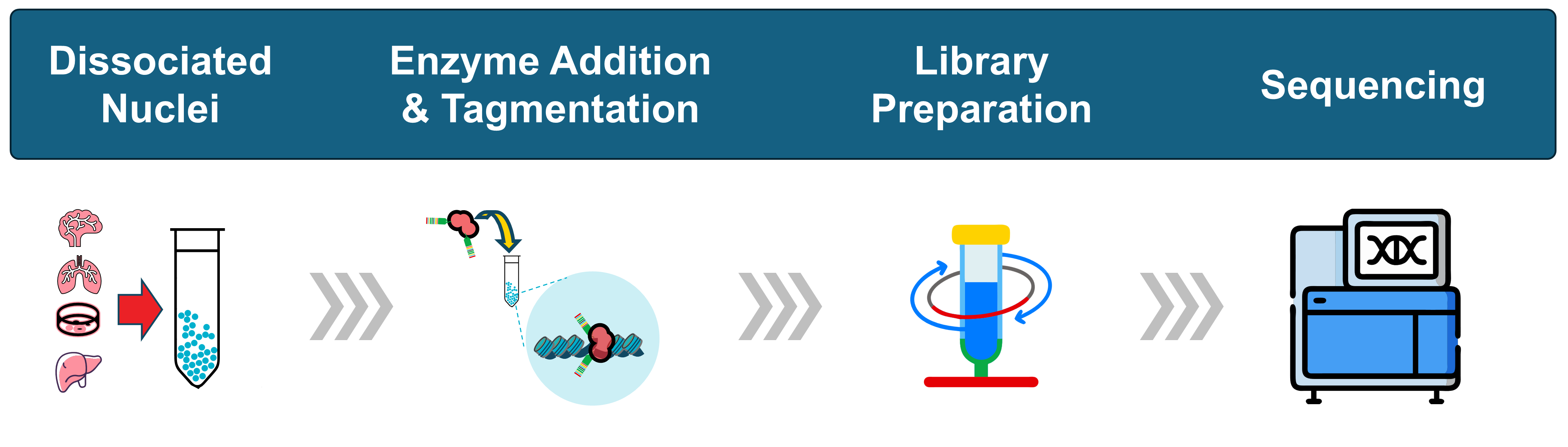
Generate reproducible, high-quality, high-complexity bulk ATAC-seq libraries with an easy-to-implement workflow from Epigenome Technologies. Built for open-chromatin profiling, nucleosome positioning, and fragmentomics analysis, our kit is the optimal choice for open chromatin profiling. Choose the 8-reaction or 16-reaction format to match the size of your project.
Format
8 or 16 Reactions
Assay Focus
Open Chromatin
Support Model
Scientist-Backed
| Product | Catalogue # | Workflow | Size | List Price | Link |
|---|---|---|---|---|---|
| ATAC-Seq Kit | AS8101 | Bulk ATAC-seq | 8 Reactions | $700 | Order |
| ATAC-Seq Kit | AS16101 | Bulk ATAC-seq | 16 Reactions | $1200 | Order |
Need help evaluating fit? Contact our scientific team
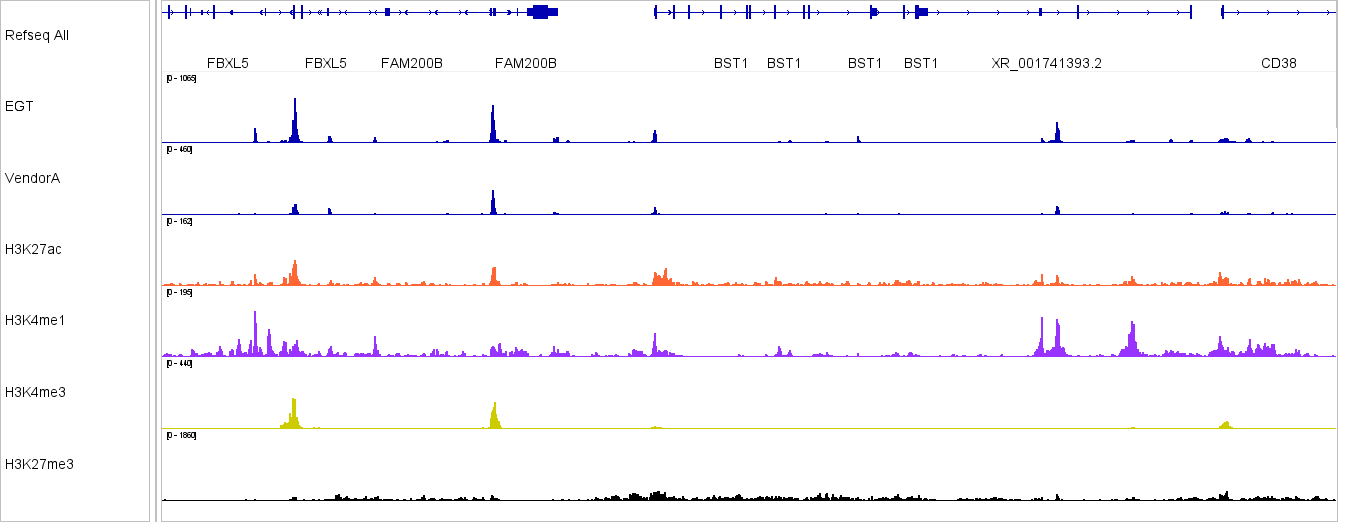
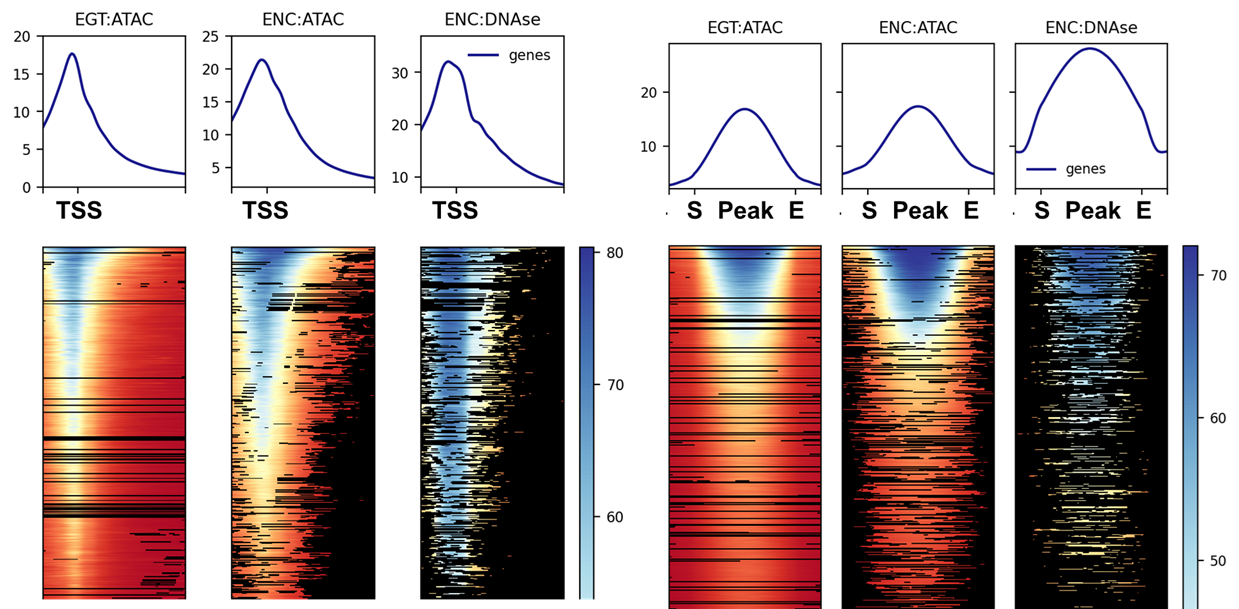
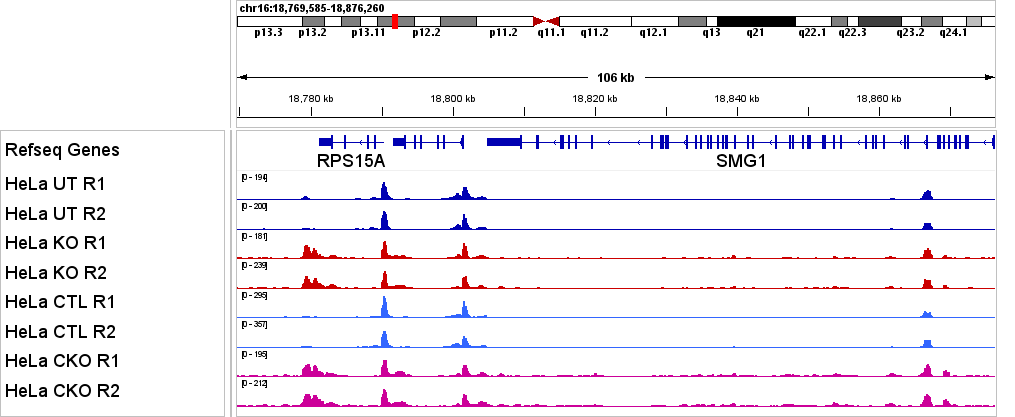
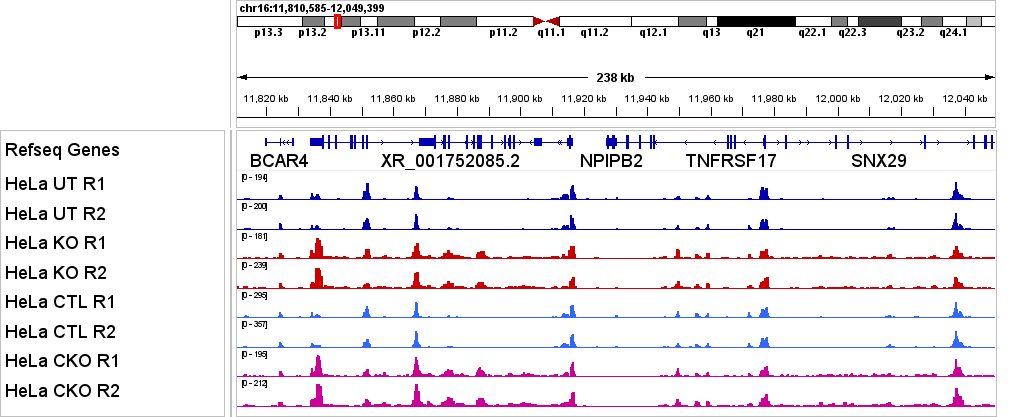
The EGT ATAC-Seq Kit delivers reproducible, high-quality, high-complexity libraries with reference-aligned accessibility signal and a workflow built for confident downstream interpretation. Comparative data show strong performance across library complexity, mitochondrial-read fraction, correlation, TSS enrichment, and locus-level signal.
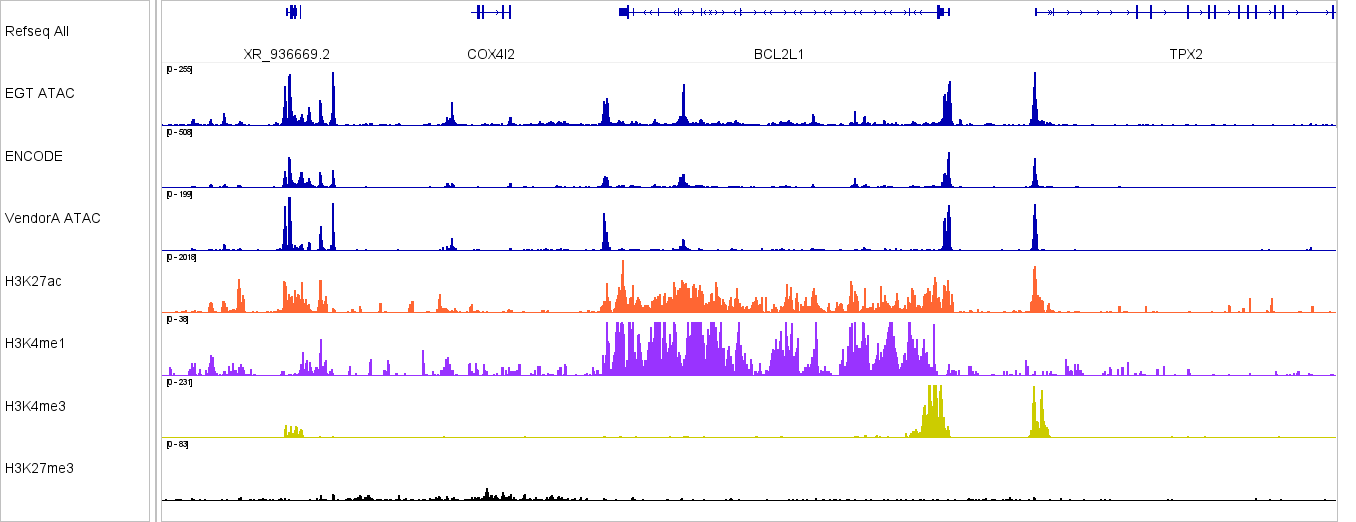
Developed by a team focused on Tn5-driven epigenetics workflows, including demanding single-cell use cases, the ATAC-seq kit from Epigenome Technologies applies that expertise to reproducible bulk ATAC library preparation, including clear QC guardrails, and producing high-quality signal for downstream nucleosome positioning and fragmentomics analysis.
Use 8 reactions for focused studies or 16 reactions for broader sample sets and repeat conditions while maintaining the same reproducible, high-quality workflow and QC framework across both configurations.
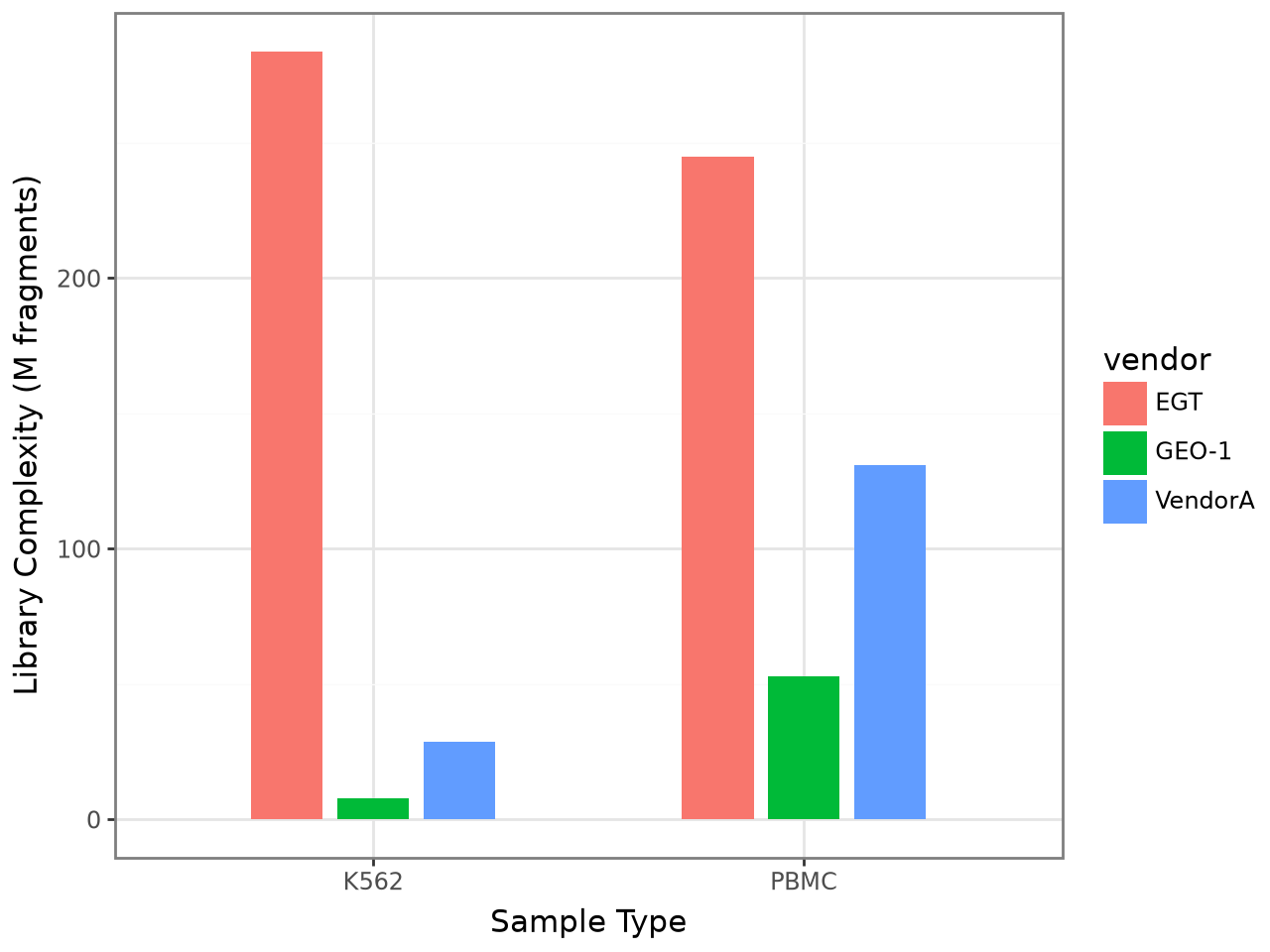
Epigenome Technologies libraries show greater measured complexity than the alternatives in the representative comparison set across both cell lines and heterogeneous tissues. The resulting pool of unique fragments captures more of the underlying biology for peak discovery, quantitative accessibility analysis, nucleosome positioning, and fragmentomics workflows.
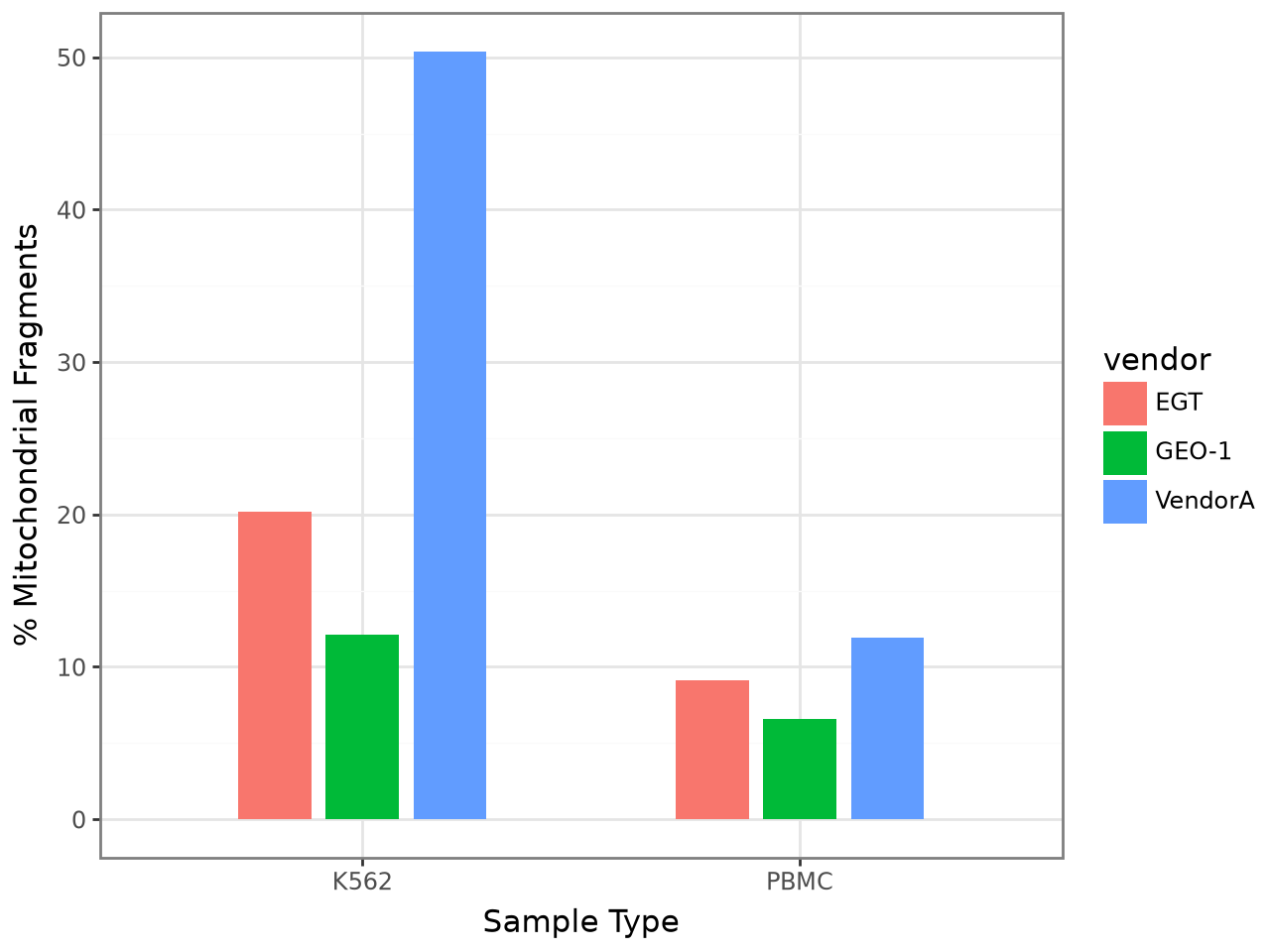
ATAC libraries from Epigenome Technologies show a robustly lower mitochondrial read fraction than the leading competitor, preserving more sequencing capacity for nuclear accessibility information. For low-viability tissues or cells, follow the validated Epigenome Technologies preparation, washing/debris-removal, and nuclei-quality guidance before transposition to reduce mitochondrial contamination and protect library quality.
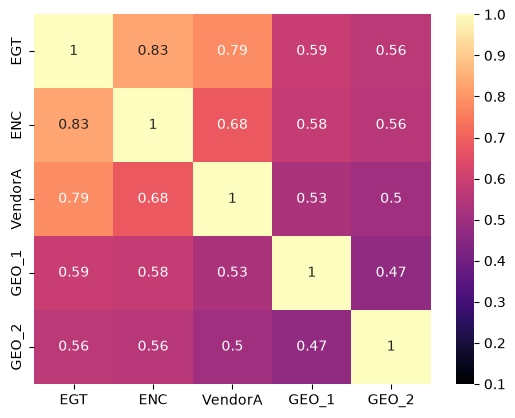
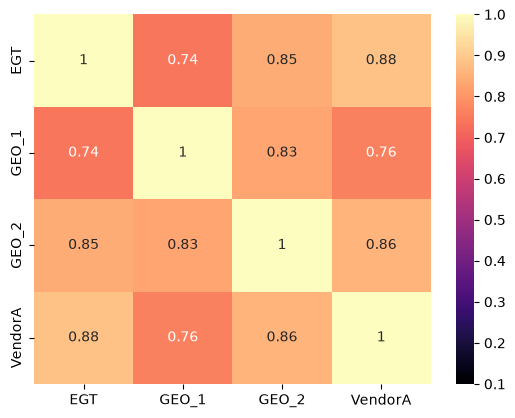
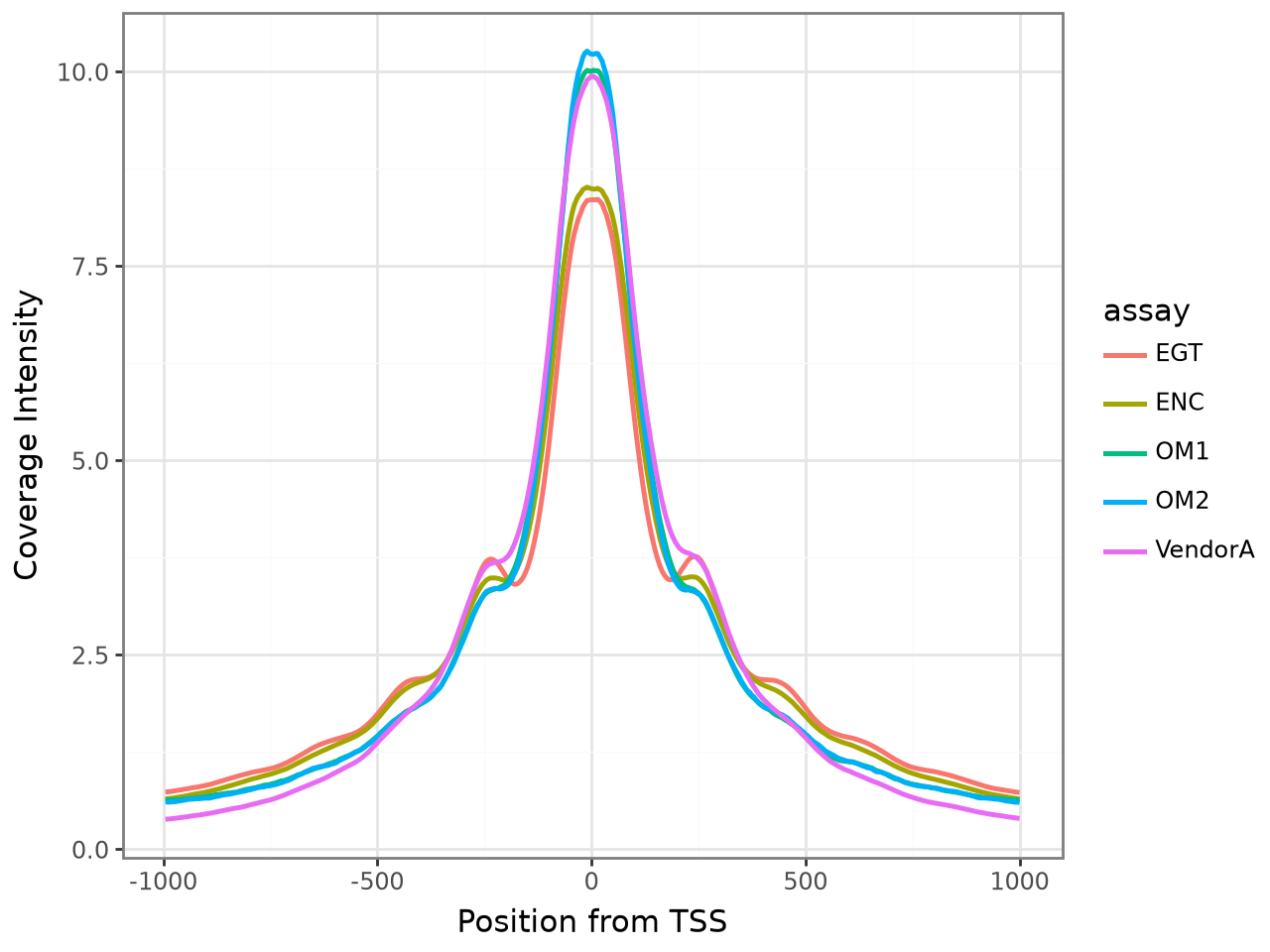
The K562 cut-site profile demonstrates clear transcription-start-site accessibility, a distinct nucleosomal pattern, and very high TSS enrichment. Together with the correlation comparisons, it confirms high-quality, interpretable chromatin signal for downstream analysis.
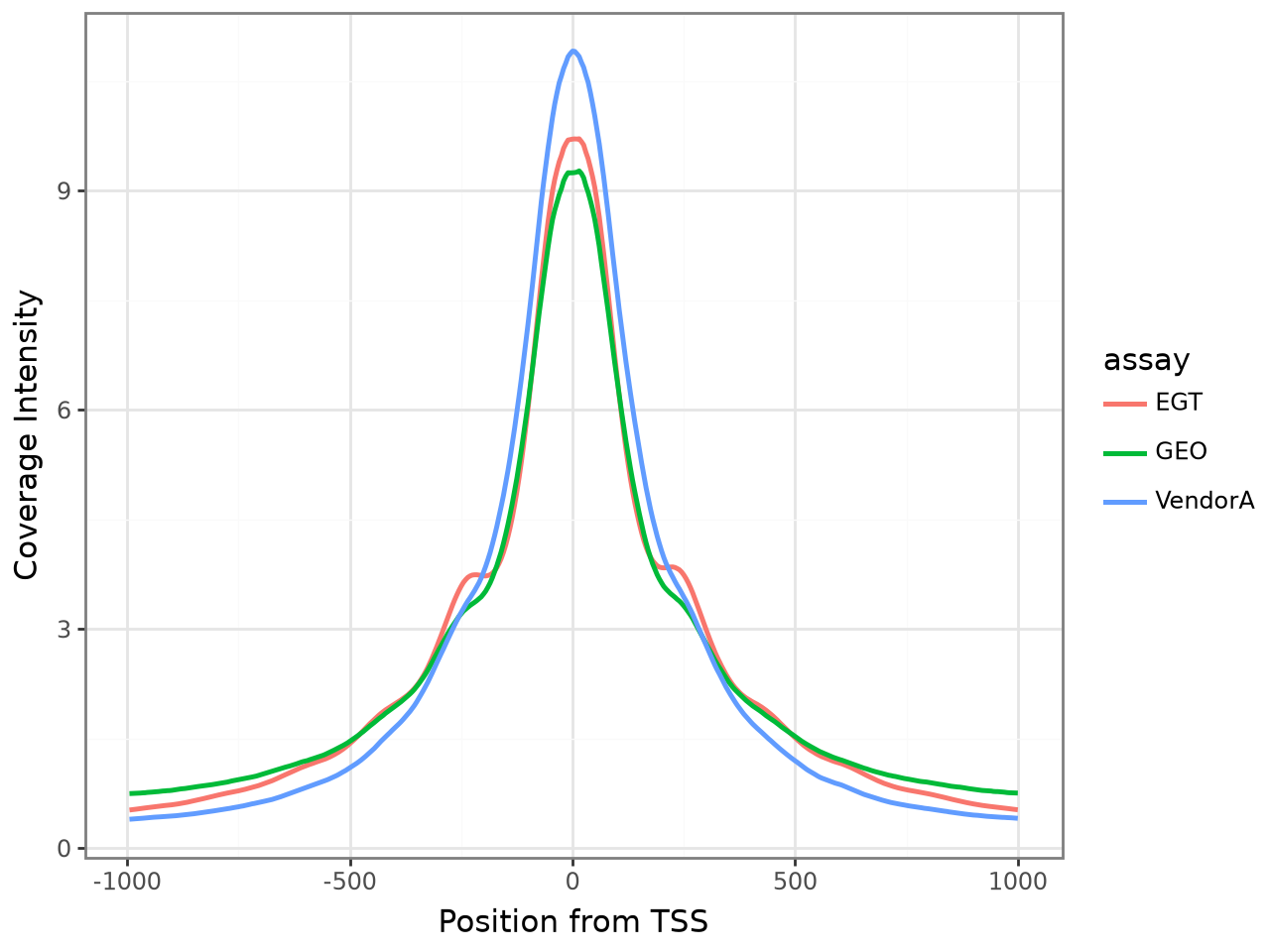
The PBMC cut-site profile demonstrates clear transcription-start-site accessibility, a distinct nucleosomal pattern, and very high TSS enrichment. These results provide reproducible, interpretable accessibility signal for downstream analysis alongside reference comparisons.
In addition to compatibility with a wide array of sample inputs, the Epigenome Technologies ATAC-seq workflow includes validated low-viability handling guidance to reduce mitochondrial contamination and preserve nuclear accessibility signal.
| Parameter | Specification |
|---|---|
| Compatible Input Types | Frozen tissues, cryopreserved cells, fresh tissues, and live cells |
| Library Output | High-complexity, Illumina-compatible libraries for open-chromatin, nucleosome-positioning, and fragmentomics analysis |
| Sequencing Platform | Illumina (paired-end recommended) |
| Throughput Formats | 8 Reactions or 16 Reactions |
| Sample Quality Support | Validated preparation, washing/debris-removal, and nuclei-quality guidance for low-viability samples to reduce mitochondrial contamination |
The following Safety Data Sheets apply to this kit:
A right-sized configuration for focused studies and routine projects that need reproducible, high-quality, high-complexity bulk ATAC-seq libraries with consistent QC standards.
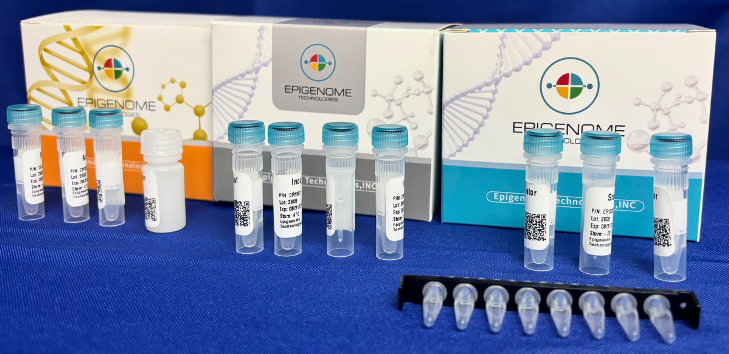
Epigenome Technologies' ATAC-seq kit provides all required reagents and buffers for ATAC-seq profiling. All necessary enzymes are included.
| RT Reagents | 4°C Reagents | -20°C Reagents |
|---|---|---|
| Purification Bind Buffer | RSB Buffer | Digitonin |
| Purification Wash Buffer | NP-40 | ATAC Transposomes |
| Purification Elution Buffer | Tween-20 | 2X PCR Master Mix |
| Cleanup Beads | 2X Tagmentation Buffer | PCR Primers (i5 and i7) |
This 8-reaction configuration supports focused bulk ATAC study workflows, method development and comparative condition work, repeat runs for reproducibility checks, and operational consistency across recurring projects.
A scale-up configuration for larger sample sets, broader condition matrices, and sustained study operations while maintaining the same reproducible, high-quality workflow and QC checkpoints.
Epigenome Technologies' ATAC-seq kit provides all required reagents and buffers for ATAC-seq profiling. All necessary enzymes are included.
| RT Reagents | 4°C Reagents | -20°C Reagents |
|---|---|---|
| Purification Bind Buffer | RSB Buffer | Digitonin |
| Purification Wash Buffer | NP-40 | ATAC Transposomes |
| Purification Elution Buffer | Tween-20 | 2X PCR Master Mix |
| Cleanup Beads | 2X Tagmentation Buffer | PCR Primers (i5 and i7) |
This 16-reaction configuration supports larger sample sets and extended study plans, higher-volume comparative experiments, routine profiling programs requiring throughput consistency, and operational efficiency with fewer reorder interruptions.
Use the EGT ATAC-Seq Kit in 8-reaction or 16-reaction formats to generate reproducible, high-quality, high-complexity libraries for open-chromatin profiling, nucleosome positioning, and fragmentomics analysis, with validated low-viability handling guidance and scientist-backed implementation support.