Epigenetics of Hypoxic Defects in Embryonic Development
A fascinating new study applies Paired-seq to the developing Drosophila embryo to explore the epigenetic and transcriptomic impacts of hypoxia.
Can Joint Epigenetic and Transcriptomic Analyses Reveal How Hypoxia Impacts Developing Embryos?
Reduced oxygen supply (hypoxia) to the developing fetus can impair proper development and increase the likelihood of perinatal/infant mortality and the onset of various disorders at later developmental stages. The mechanisms mediating these effects are cell-type- and differentiation-stage-specific, although hypoxia-induced alterations in gene expression via epigenetic reprogramming remain a central tenet (Ducsay et al., Ma & Zhang, and Palma-Gudiel et al.).
Previous studies carried out in embryos of the fruit fly Drosophila melanogaster – a highly useful and widely used model system - revealed that hypoxia significantly impacts embryonic growth and development (DiGregorio et al., Douglas & Haddad, Douglas et al., and Teodoro & O'Farrell). To extend this research field and fully define how hypoxia induces such detrimental effects, a team of researchers led by Gabriel G. Haddad (University of California, San Diego) explored the impact of hypoxia on the distinct cell types of the developing fruit fly embryo employing a single-cell high-throughput methodology - Paired-seq (Zhu et al., 2019 and Zhu et al., 2023) - that supports the joint analysis of chromatin accessibility and gene expression. Encouragingly, this new bioRxiv preprint now reports how hypoxia affects early embryonic development at the epigenetic and transcriptomic levels and provides evidence for an impact on fertility in the adult (Zhou et al.).
Paired-Tag technology from Epigenome Technologies generates joint epigenetic and transcriptomic profiles at single-cell resolution and detects histone modifications and RNA transcripts in nuclei with efficiency comparable to single-nucleus RNA-seq/ChIP-seq assays. Could an in-depth analysis of the histone modification and transcriptomic profiles of the same single cells afforded by the integration of Paired-Tag have complemented Paired-seq to describe yet more regarding the epigenetic and transcriptomic impacts on the same single cells of the developing Drosophila embryo?
Paired-seq Reveals the Impact of Hypoxia on Chromatin Accessibility and Gene Expression in Drosophila Embryos
In brief, the authors found that acute hypoxia prompted cell-type-specific responses in Drosophila embryos, manifesting as alterations in relative cellular proportions: they observed reduced proportions of germ and various ectodermic cell types and increased proportions of muscle and distinct neuronal lineage cells. These data suggest that hypoxia induces cell-type-specific proliferation arrest (or delay) or acceleration in Drosophila embryos and affects adult fly reproduction (by affecting germ cell numbers).
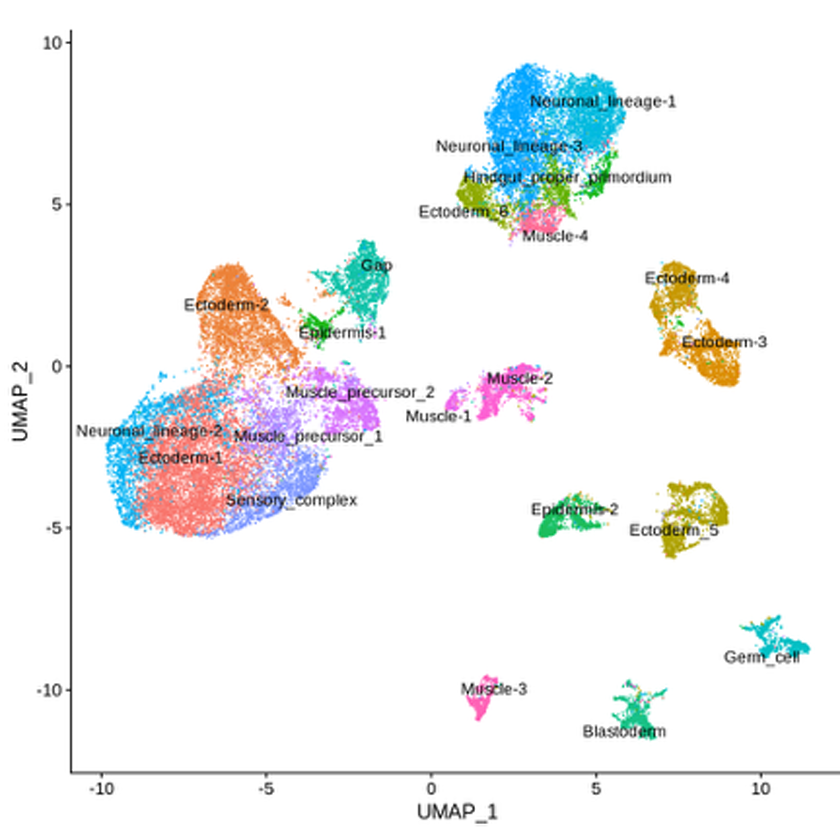
Analysis of chromatin accessibility and transcriptomic profiles in the same single nucleus afforded by Paired-seq revealed that hypoxia of differing strengths induced significant changes in chromatin accessibility; decreased chromatin accessibility tended to occur in common genomic regions, while regions with increased chromatin accessibility differed. The authors note that their findings suggest that differing levels of hypoxic stress may lead to distinct chromatin accessibility patterns and, therefore, distinct transcriptional outcomes. Binding motifs for chromatin modifiers and transcription regulators affected by changes in chromatin accessibility (also provided by Paired-seq data) also allowed the team to explore hypoxia-induced mechanisms in Drosophila embryos. This approach highlighted reduced accessibility for chromatin-modifying factors that regulate oogenesis and developmental regulators and suggested that hypoxia-strength-dependent changes in binding-motif access provide further evidence for oxygen-dependent, strength-sensitive epigenetic mechanisms that induce differential modification of distinct genomic regions.
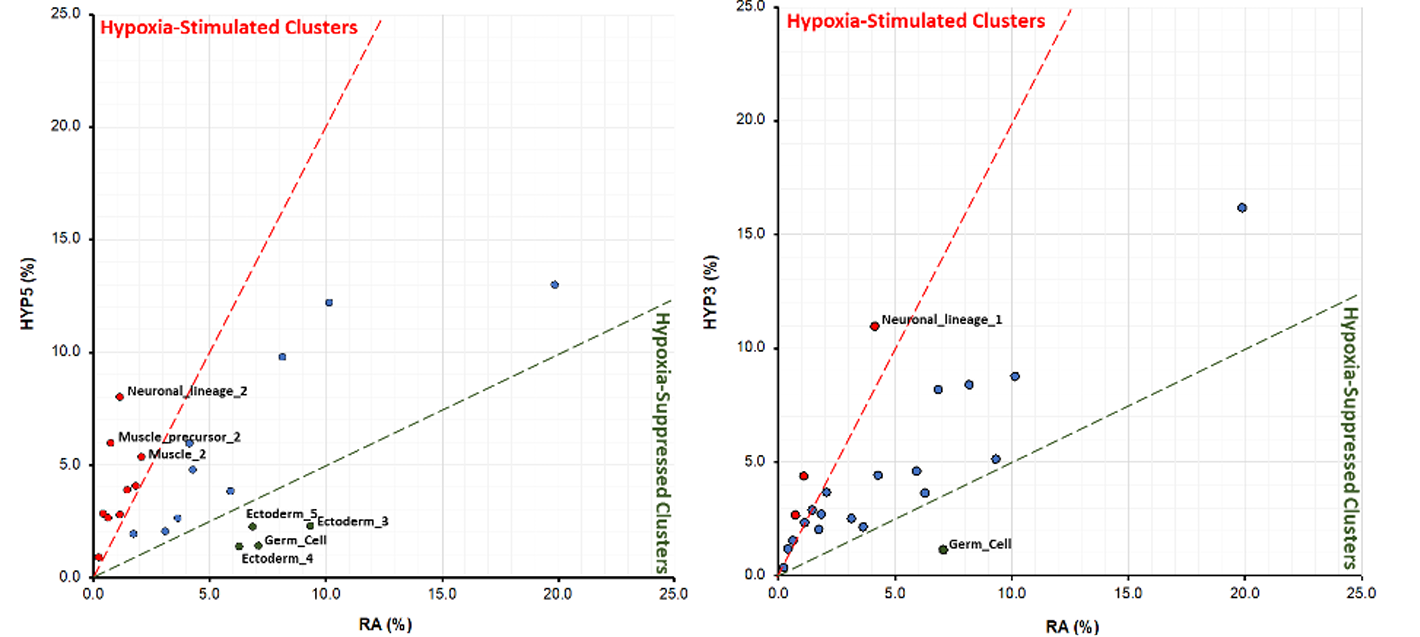
Paired-seq analysis also revealed a robust correlation between hypoxia-induced changes in chromatin accessibility at cis-regulatory elements (such as gene promoters and enhancers) and transcription activity at target genes, helping demonstrate dynamic changes rather than steady-state homeostasis of the transcriptome following hypoxia treatment. Again, the authors observed strength-specific hypoxia-induced changes in promoter-gene pairs, supporting the hypothesis that hypoxia strength-dependently modifies different chromatin regions and the associated transcriptional activity of distinct gene sets. The significantly altered genes regulated a range of functions, including cell cycle, differentiation, proliferation, and chromatin organization, which affect organogenesis and the development of neuronal, tracheal, and muscular systems.
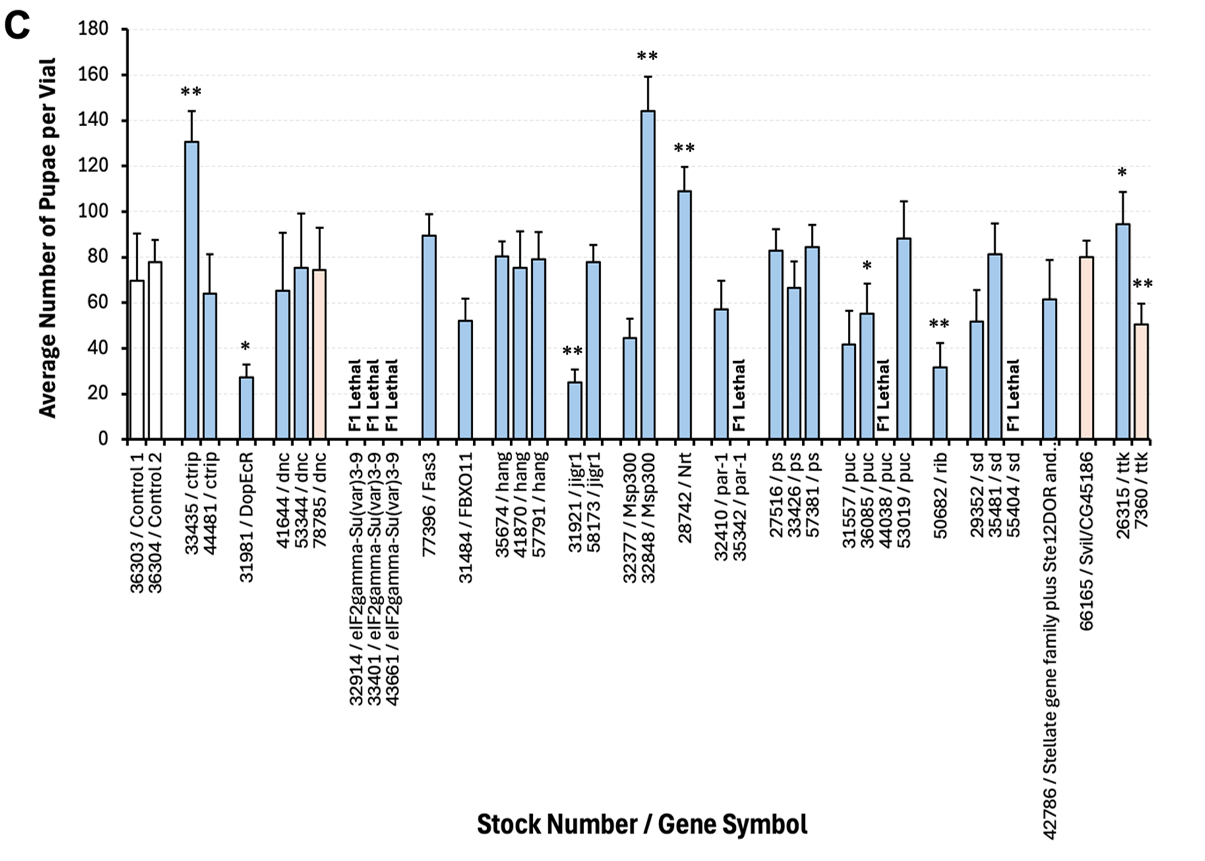
Finally, the authors took a short-list of 18 candidate genes with concordant changes in germ cells in hypoxia, and both knocked them down or overexpressed them conditionally within drosophila germ cells. Consistent with prior studies showing reduced fecundity in adult drosophila that were exposed to hypoxic stress as embrio Ding et al., several of these CKO/COE lines showed alterations in pupae production at F1 or F2 generations.
Paired-seq Reveals New Aspects; Could Paired-Tag Reveal More?
Overall, this study of early embryonic hypoxia exposure-induced alterations in chromatin accessibility and gene transcription at single-nucleus resolution revealed cell type-specific and hypoxia-strength-dependent alterations. The authors highlighted distinct developmental responses between cell types, suggesting context-dependent effects of hypoxia on cell differentiation and proliferation, as well as changes in cellular proportions and transcriptional output that may significantly affect Drosophila reproduction.
Implementing Paired-Tag technology from Epigenome Technologies, which generates joint epigenetic and transcriptomic profiles at single-cell resolution and detects histone modifications and RNA transcripts in individual nuclei with efficiency comparable to single-nucleus RNA-seq/ChIP-seq assays, could provide deeper insight into these research aims. Could the simultaneous single-cell analysis of histone modifications and transcriptomic profiles have contributed towards an even deeper understanding of how hypoxia impacts the developing Drosophila embryo?