A DNA Methylation-based Analysis Links Common Herbicide Exposure to Early-Onset Colorectal Cancer
DNA Methylation, Picloram, & Early-Onset Colorectal Cancer: Researchers link exposure to a common herbicide to the recent, disproportionate increase in early-onset colorectal cancer cases via DNA methylation analysis.
The Difficulty of Linking Changes in Lifestyle and Environmental Exposures to Disease Risk
The recent, disproportionate increase in the incidence of early-onset colorectal cancer (Siegel et al., 2019 and Berrington de Gonzalez et al.) has many researchers scratching their heads. Why are more young patients (younger than 50) succumbing to this aging-associated and deadly disease (Bray et al. and Siegel et al., 2024)? And why do symptoms differ (Akimoto et al.), including increased metastatic potential and tumor aggressiveness, even though genomic alterations remain largely similar to those with late-onset colorectal cancer patients (older than 70) (Li et al.)? While many researchers believe that changes in lifestyle and environmental exposures - known collectively as the "exposome" - may represent a primary reason, identifying modifiable risk factors specific to early-onset colorectal cancer has met with limited success (Syed et al. and Connell et al.). However, recent research has identified exposome-induced changes in site-specific CpG DNA methylation levels (Wu et al.) as a novel analytical approach that may yield improved outcomes.
Recently, researchers led by Jose A. Seoane (Vall d'Hebron Institute of Oncology) sought to explore how the exposome contributes to the development of early-onset colorectal cancer by constructing DNA methylation risk scores for lifestyle and environmental factors using DNA methylation data from The Cancer Genome Atlas and conducting a replication meta-analysis across nine independent cohorts. Their new Nature Medicine study reports on the comparison of DNA methylation risk scores between early- and late-onset colorectal cancer and identifies exposure to the herbicide picloram as a new risk factor for early development of this aggressive and deadly cancer (Maas et al.).
Paired-Tag technology from Epigenome Technologies generates joint epigenetic and transcriptomic profiles at single-cell resolution and detects histone modifications and RNA transcripts in nuclei with efficiency comparable to single-nucleus RNA-seq/ChIP-seq assays. Could an in-depth analysis of the histone modification and transcriptomic profiles of the same single cell from tumor samples via the integration of Paired-Tag help to reveal more regarding how the exposome may influence the early onset of colorectal cancer?
DNA Methylation Links Picloram Exposure to an Increased Risk of Early-Onset Colorectal Cancer
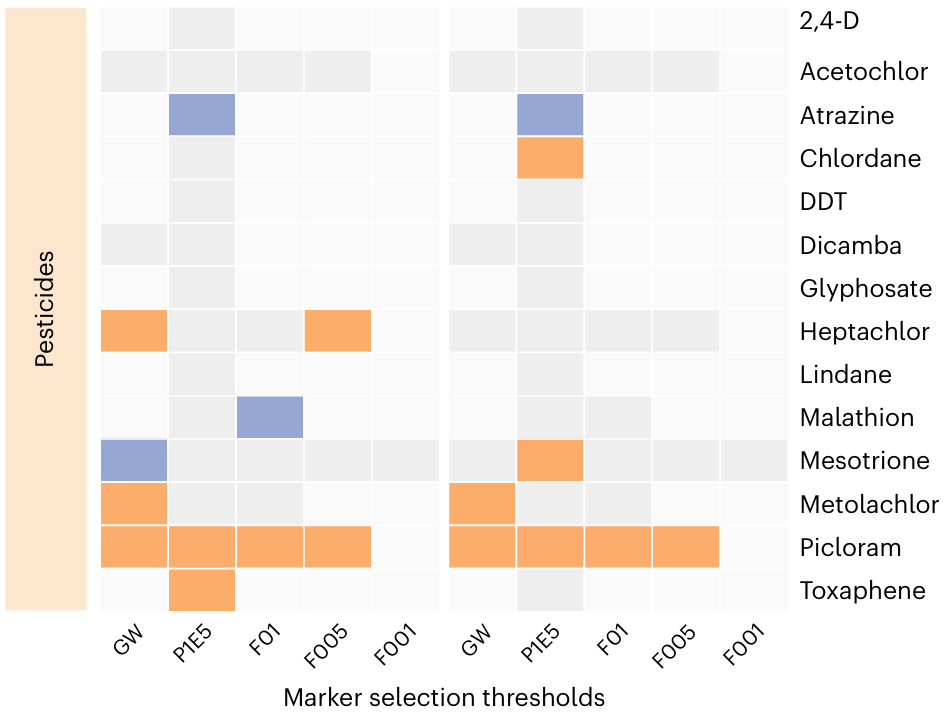
Through this type of epigenetic analysis, this new paper confirmed previously identified risk factors, including educational attainment, diet, and smoking. However, this DNA methylation-based approach also identified exposure to the herbicide picloram as a new risk factor, which they validated in a meta-analysis comprising nine colorectal cancer cohorts. Picloram - first registered as an herbicide in the USA in 1964 - disrupts normal plant growth and displays moderate-to-low acute toxicity when exposed to laboratory animals (Reuber et al.). Overall, the timing of the first picloram application and the reported presence of picloram in grain and meat byproducts (indicating dietary exposure) suggest a robust link to the increase in early-onset colorectal cancer cases observed today. Furthermore, an analysis of population-based data from nearly 100 counties over 21 years in the USA also validated the association between picloram use and early-onset colorectal cancer, which remained significant after adjustment for socioeconomic factors and other pesticide usage. Additionally, the study provided evidence that picloram contributes to tumor development by promoting alternative oncogenic pathways, including upregulation of the Wnt/β-catenin signaling pathway and a higher prevalence of APC mutations.
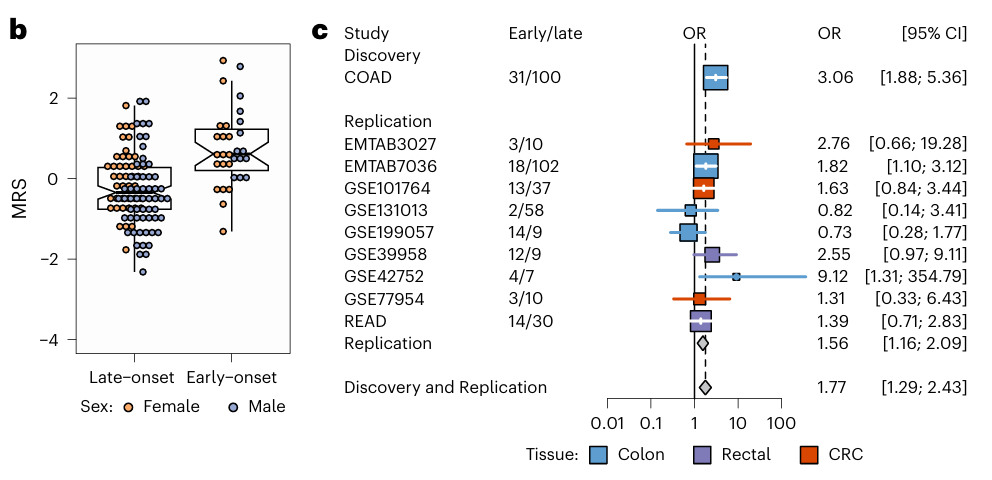
Of importance, the authors highlight the lack of available studies into the influence of picloram on DNA methylation, tumorigenesis, and health outcomes in humans and, as such, underscore the need for additional longitudinal and experimental research. They highlight multiple potential steps towards a better understanding, which include determining the reversibility of picloram-induced DNA methylation (and other epigenetic alterations) in normal tissue and tumors, establishing a causal link between picloram and colorectal tumor development, and understanding dose-dependent risks.
In addition to picloram, this study also provides evidence for a link between early-onset colorectal cancer and exposure to additional herbicides, including glyphosate (Davoren and Schiestl) and atrazine (Turner et al.), two of the most widely used herbicides in the USA.
DNA Methylation, Picloram, and Early-Onset Disease Development: What Now?
Overall, the authors highlight the utility of using epigenetic markers to define the critical role of exposome components in early-onset colorectal cancer, specifically the significant impact of the herbicide picloram; furthermore, these results now suggest means - both personal and policy-level interventions - to minimize the risk of early-onset colorectal cancer.
The implementation of Paired-Tag technology from Epigenome Technologies, which generates joint epigenetic and transcriptomic profiles at single-cell resolution and detects histone modifications and RNA transcripts in individual nuclei with efficiency comparable to single-nucleus RNA-seq/ChIP-seq assays, has the potential to provide deeper insight into such research aims. What more could the simultaneous single-cell analysis of histone modification and transcriptomic profiles of tumor samples tell us regarding the effect of picloram exposure and the onset of early-onset colorectal cancer?